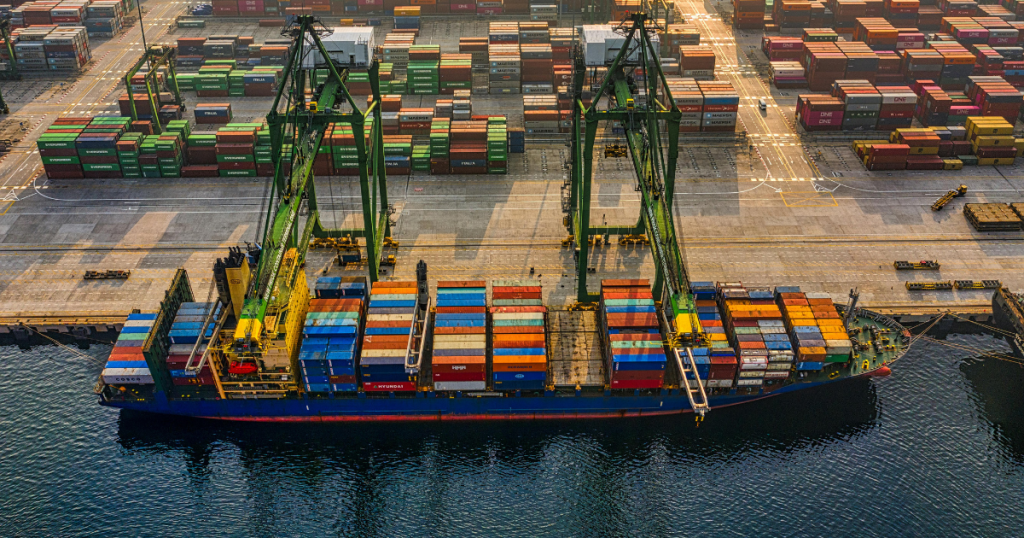
Global shipping and port operations are essential to international trade, moving millions of tonnes of cargo around the world every day. With this level of activity comes significant responsibility, particularly when it comes to safety and security.
One of the most important international frameworks protecting the maritime industry is the International Ship and Port Facility Security (ISPS) Code.
But what exactly is the ISPS Code, why was it introduced, and what does it mean for ports, shipping companies, and maritime operators today?
What is the ISPS Code?
The International Ship and Port Facility Security (ISPS) Code is a set of security measures developed by the International Maritime Organization (IMO) to enhance the security of ships and port facilities worldwide.
The code was introduced in 2004 as part of the Safety of Life at Sea (SOLAS) Convention following increased global concerns around terrorism and maritime threats after the events of 9/11.
The ISPS Code establishes a standardised framework for detecting security threats and implementing preventative measures across international shipping and port operations.
Why Was the ISPS Code Introduced?
Before the ISPS Code, maritime security procedures varied significantly between ports and countries. The industry needed a consistent international approach to:
- Protect ships and port facilities from security threats
- Improve communication between vessels and ports
- Reduce vulnerabilities within global supply chains
- Establish clear security responsibilities
- Strengthen emergency preparedness and response
Today, the ISPS Code remains one of the most important international maritime security regulations in operation.
Who Must Comply with the ISPS Code?
The ISPS Code applies to:
- Passenger ships
- Cargo ships or yachts over 500 gross tonnage engaged on international voyages
- Mobile offshore drilling units
- Port facilities serving international shipping
Compliance is mandatory for all qualifying vessels and facilities operating under the SOLAS Convention.
Key Components of the ISPS Code
Security Assessments
Ports and vessels must conduct detailed security assessments to identify potential risks, vulnerabilities, and threats.
Security Plans
Organisations are required to develop and maintain security plans outlining procedures, responsibilities, and response measures.
Security Levels
The ISPS Code operates using three security levels:
- Security Level 1 – Normal operating conditions
- Security Level 2 – Heightened security risk
- Security Level 3 – Exceptional or imminent threat
Each level requires additional security measures depending on the threat environment.
Designated Security Officers
The code requires the appointment of:
- Ship Security Officers (SSO)
- Company Security Officers (CSO)
- Port Facility Security Officers (PFSO)
These individuals are responsible for implementing and maintaining compliance.
Training and Exercises
Regular training, drills, and security exercises are essential to ensure personnel can respond effectively to incidents and maintain operational readiness.
Why ISPS Compliance Matters
ISPS compliance is not simply about meeting regulations – it plays a vital role in protecting people, infrastructure, cargo and business continuity.
Strong maritime security measures help organisations:
- Prevent unauthorised access and criminal activity
- Protect supply chains and critical infrastructure
- Improve operational resilience
- Enhance emergency response capabilities
- Build confidence with clients, authorities and stakeholders
Failure to comply can result in significant operational disruption, reputational damage, and financial penalties.
Common ISPS Challenges
Many maritime organisations face ongoing challenges in maintaining compliance, including:
- Evolving security threats
- Resource limitations
- Staff training requirements
- Documentation and audit preparation
- Maintaining readiness during changing security levels
This is why regular reviews, exercises and professional consultancy support are essential.
How Teamwork Security Supports ISPS Compliance
At Teamwork Security, we provide specialist maritime security support to help organisations strengthen compliance and operational preparedness.
Our services include:
- ISPS consultancy
- Security assessments
- Maritime security exercises
- Audit preparation and support
- Training for security personnel
- Emergency response planning
We work closely with ports, maritime operators and security teams to deliver practical, compliant, and effective security solutions.
Final Thoughts
The ISPS Code continues to play a critical role in protecting the global maritime industry. As threats evolve, maintaining robust security procedures, training, and compliance standards is more important than ever.
For organisations operating within the maritime sector, investing in effective ISPS compliance is an investment in safety, resilience, and operational continuity.
To learn more about our maritime security services visit >